Innovative Skylight Concepts: Creative Approaches to Transform Your Living Space Design
Creative skylight designs offer a unique opportunity to enhance interior spaces. With the integration of distinctive forms and multi-panel arrangements, homeowners can significantly transform the atmosphere of their living spaces. Such elements not only fulfill decorative roles but also enhance energy performance and practicality. Understanding the transformative benefits of skylights can guide informed choices. Nevertheless, the inquiry endures: how can one identify the right skylight to align with their unique aesthetic and home layout?
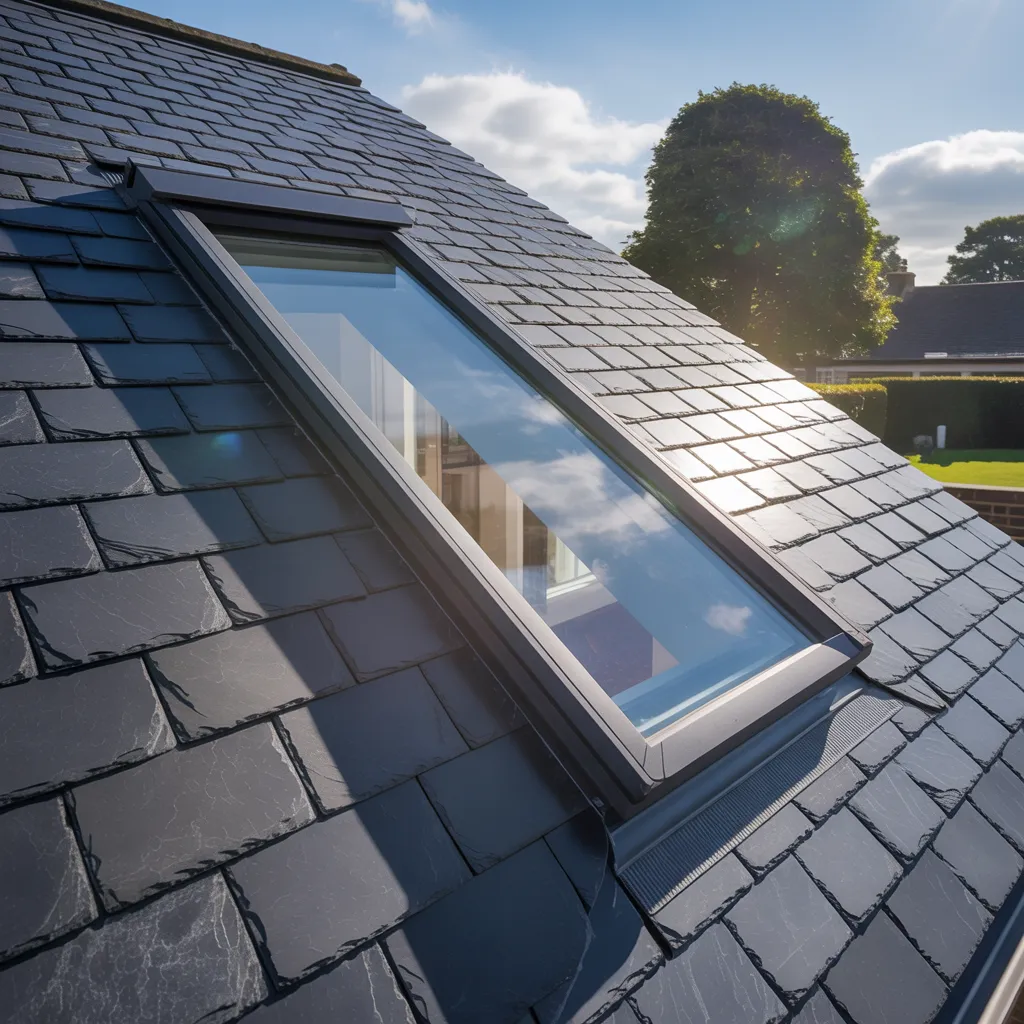
The Transformative Impact of Skylights on Interior Design
While numerous factors play a role in interior design, skylights remain notable for their significant impact. They act as an essential provider of natural light, improving the general atmosphere of a room. By flooding interiors with sunlight, skylights can make rooms feel larger and more inviting, establishing an airy quality that artificial light rarely manages to replicate. Furthermore, the incorporation of natural light has demonstrated benefits for mood and productivity, positioning skylights as an ideal solution for both home and business applications.
Additionally, skylights may decrease dependency on artificial lighting, leading to significant energy efficiency and a reduced carbon footprint. How they are installed can also accentuate architectural features, adding a one-of-a-kind aesthetic appeal to the space. With a wide range of styles and sizes to choose from, skylights can be adjusted to complement various interior themes, making them a adaptable option for elevating both functionality and beauty in any interior setting.
Creative Geometric Skylight Forms to Think About
Unique geometric skylight shapes can significantly improve indoor environments by adding visual interest and character. Triangular skylight configurations provide a contemporary feel, while circular options introduce an element of elegance and flow. Each of these forms offers unique methods to incorporate daylight into various architectural styles.
Triangular Skylight Designs
Triangular skylight configurations deliver a striking option beyond standard shapes, drawing the eye with their angular beauty. Such exceptional skylights are capable of revolutionizing any interior, introducing an element of modernism while maximizing natural light. Their distinct angles create dynamic visual interest, rendering them especially suited to contemporary design settings. Furthermore, triangular forms blend naturally into diverse architectural aesthetics, from minimalist to industrial. Through permitting illumination to enter from several angles, they enhance the ambiance and spatial perception within a room. Furthermore, the flexibility of triangular skylights allows for tailored designs, meeting diverse stylistic requirements. All things considered, these innovative designs not only elevate interior decor but also contribute to a brighter, more inviting atmosphere.
Circular Skylight Options
Circular skylight selections provide a sophisticated and cohesive option for elevating interior settings. These remarkable geometric forms not only welcome abundant daylight but also create a stunning focal point. Offered in a range of sizes, circular skylights can integrate naturally with different architectural styles, from sleek to conventional. Their uniform design fosters a sense of balance, making them an excellent choice for rooms that benefit from softer illumination, such as common spaces and private retreats. Additionally, cutting-edge glazing systems deliver energy efficiency while minimizing heat loss. Personalization features, such as ornamental frames and colored glass, allow homeowners to tailor their designs distinctively. Ultimately, circular skylights serve as an ideal marriage of aesthetics and utility, improving both appearance and mood in any interior setting.
Multi-Panel Skylight Systems: A Contemporary Design Statement
As homeowners seek to blend natural light with contemporary design, multi-panel skylights emerge as an elegant solution. These architectural features consist of several adjoining panels, providing expansive views of the sky while optimizing daylight. Their modular design offers flexibility, making them ideal for a wide range of roof shapes and sizes, while elevating the overall aesthetic of both contemporary and traditional homes.
Multi-panel skylight systems comprehensive guide can create dramatic visual lines and bring depth to interior spaces. Offered in a variety of materials, like acrylic and glass, they can be tailored to suit individual tastes. Moreover, the arrangement of panels can be arranged to form distinctive geometric patterns, delivering a captivating focal point in any room.
Incorporating multi-panel skylight systems not only enhances the aesthetic appeal of interior spaces but also nurtures a relationship with the natural environment, enhancing the residential experience. This remarkable design feature promises to redefine the understanding of natural lighting in home decor.
How Installing Skylights Can Improve Energy Efficiency in Your Home
Although many homeowners focus on appearance when thinking about skylights, their energy efficiency benefits are equally significant. Skylights can improve the natural lighting in a home, reducing reliance on artificial lighting during the day. This not only cuts down on electricity expenses but also promotes a healthier indoor atmosphere.
Additionally, today's skylights commonly include high-performance glazing that reduces heat loss during winter months and stops overheating in summer. This enhanced insulation results in improved temperature control, lessening the reliance on heating and cooling systems. Moreover, carefully positioned skylights can promote cross-ventilation, also boosting a home's energy efficiency by permitting fresh air to flow naturally.
How to Integrate Skylights With Smart Home Technology
Integrating skylights with smart home technology transforms how natural light and ventilation are controlled throughout a residential environment. By incorporating automated systems, homeowners are able to control skylight operations according to weather patterns or individual preferences. Smart sensors can detect sunlight intensity and adjust the skylight openings to optimize natural light while minimizing heat gain.
Additionally, these units can be programmed to function on set schedules, enabling air circulation during specific times of the day. Compatibility with home automation hubs facilitates remote operation via smartphones or voice commands, improving overall convenience. In addition, energy-efficient skylights integrated with smart technology can generate alerts for maintenance needs, guaranteeing longevity and performance.
At the end of the day, the combination of skylights and smart technology not only enhances comfort but also supports energy savings, permitting homeowners to take advantage of the perks of natural light without undermining management.
Key Tips for Choosing the Perfect Skylight for Your Home
Picking the ideal skylight requires careful evaluation of various factors to enhance both functionality and aesthetics. Homeowners should start by considering the purpose of the skylight, whether it's for daylighting, ventilation, or both. This decision impacts the type and placement of the skylight.
Additionally, it is important to consider the dimensions; larger skylights provide more light but may require supplementary structural backing. Energy efficiency is also an important consideration; opting for designs with insulated glazing aids in minimizing energy expenditures.
The local climate also plays a role; long-lasting materials are essential in regions that experience severe weather. Furthermore, residents should consider shading alternatives to regulate light exposure and heat accumulation.
To conclude, professional installation is recommended to secure precise sealing and alignment, reducing leaks and improving overall performance. By thoughtfully addressing these elements, homeowners can identify skylights that meaningfully elevate their living environments.

Common Questions and Answers
What Maintenance Is Required for Different Types of Skylights?
Distinct skylight designs call for specific maintenance approaches; non-opening versions necessitate routine cleaning, while ventilated models require inspection of seals and moving parts. Consistent evaluation for water intrusion and removal of accumulated debris is vital to maintaining superior performance and durability.
Can Skylights Be Added to an Existing Home?
Existing homes can absolutely accommodate skylight installations. Skilled experts examine the structural integrity and roofing components before proceeding with installation, guaranteeing adequate sealing and insulation to avoid leaks and improve energy efficiency, which significantly increases the amount of natural light in the home.
How Do Skylights Impact Indoor Temperature Control?
Skylights can notably affect indoor temperature regulation by enabling natural light to penetrate, which can warm spaces during colder months. Nevertheless, without proper insulation and shading, they might also result in excess heat buildup during warmer months.
Are There Safety Issues to Consider With Skylights?
Indeed, skylights come with safety concerns that include possible leaks, structural vulnerabilities, and the chance of breakage. Proper installation, regular maintenance, and using tempered or laminated glass can help mitigate these risks and enhance safety.
What Are the Best Materials for Skylight Frames?
Aluminum and vinyl are often considered the best materials for skylight frames because of their robust durability, ease of maintenance, and superior resistance to the elements. Timber frames, despite their attractive appearance, necessitate more care and tend to be vulnerable to decay.